OUR BLOG
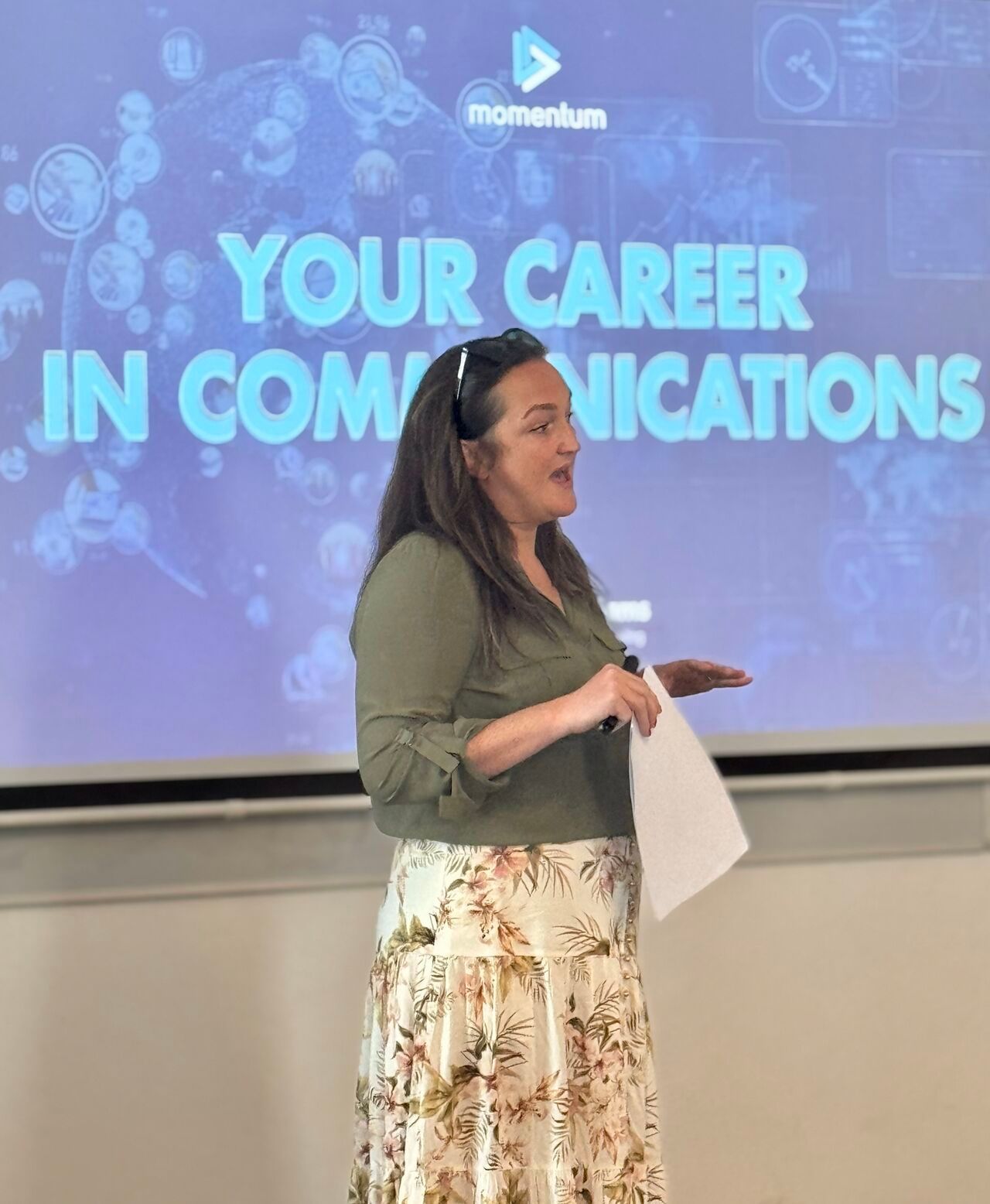
It's been a little while since my last market insights (back in December), and that's not due to forgetfulness! Over the Christmas ‘break’, I found myself surprisingly busy with senior-level (Head of and Director) positions. It was the first real indication that the leadership talent pool, which had been incredibly deep throughout 2024 and much of 2025 following widespread restructures, was starting to thin out. It gave me a little false hope that the market might be finding its feet, and that we'd continue the gradual growth we'd seen last year, setting us up for a more buoyant 2027, as many of us had cautiously predicted. Then February arrived... As geopolitical events unfolded, we saw an immediate handbrake applied to hiring. Roles dried up overnight, and for the first time in my 15 years recruiting marketing, communications and sales professionals, I was at a loss to voice any insights or forecasting. That uncertainty continued through March and much of April. In fact, I found myself apologising to Jessie for convincing her to move from our Wellington office to join me in Auckland! Thankfully, things have shifted. Since the Budget announcement, contracting activity has picked up considerably. Most engagements are still cautious, with initial terms of around three months, but the roles are there again. My expectation is that this momentum (see what I did there?) will continue through to the election as organisations look to deliver key pieces of work while delaying longer-term permanent decisions. A message to the industry: One overwhelmingly consistent piece of feedback I've heard from candidates (at every level), is the lack of communication during recruitment processes. Not even a standard ‘thanks, but no thanks’ email which we all know is only a click of a mouse away. It's disappointing, and frankly, it's not good enough. So this is a plea to my fellow recruiters and to internal talent teams and hiring managers: please close the loop. Employer branding and candidate journeys should always be considered, and you forget this at your peril as candidate pool shrinks. Auckland Market Snapshot Communications: Communications has seen one of the strongest rebounds in the roles we’re recruiting. Permanent opportunities have increased around the five-year experience level due to many of these candidates heading overseas for their OE or relocating to Australia. I've also seen something I've never encountered before: multiple urgent contract requirements for proactive PR specialists. The feedback I'm hearing is that this is being driven by the shift from traditional SEO towards GEO (Generative Engine Optimisation). Organisations are realising that to appear in AI-generated search results, they need a steady stream of quality, authoritative content. It's becoming much harder to simply "newsjack" (a new term I've picked up recently!), so businesses are investing in specialists who can proactively build their profile. Marketing: Marketing hiring remains steady at the mid-to-senior level. The most sought-after roles continue to be: Marketing Managers who can own end-to-end campaigns, manage agencies and deliver commercially. Brand Managers, particularly within FMCG, where investment has remained relatively consistent despite broader market caution. UX/UI: These roles remain subdued compared with the peak hiring years of 2021-2023. That said, selective hiring has resumed, primarily through very short-term contract engagements where organisations need specialist capability at a certain point of a project. Customer Experience (CX): After a quieter 2025, organisations are beginning to reinvest in customer retention and experience initiatives. It's still early, but there are encouraging signs that CX is becoming a priority again (from a consumer standpoint, I’m grateful for this!) Sales: No major changes here - Senior Business Development Managers across SaaS, data and technology continue to be in demand. At this level, established New Zealand networks and a proven ability to generate revenue within a sales cycle remain essential. Clients are looking for people who can hit the ground running for immediate impact on the revenue. No mean feat. As always, if you'd like to talk through what you're seeing in your market, benchmark salaries, discuss hiring plans or simply compare notes over a coffee, I'm forever keen to catch up to share some thoughts. katewilliams@momentum.co.nz

Fractional Marketing: What It Is and Why It Matters in Today’s Talent Market

After a turbulent 2024, the P&C landscape continues to evolve in response to ongoing economic changes, technological advancements, and the brain drain. Key insights for Q1 2025....

Find out the People and Culture market insights for the third quarter of the year 2024.

What is Customer Experience In recent years, the term "customer experience" (CX) has become a buzzword across various industries. However, I've noticed a lot of confusion and differing ideas about what CX truly entails. This misunderstanding stems from the fact that CX encompasses multiple aspects of a customer's interaction with a business, making it a complex and multifaceted concept. In this blog, we'll delve into what customer experience really means, why it's important, and how businesses can improve it. What is Customer Experience (CX)? At its core, customer experience refers to the overall perception a customer has of a brand or business based on their interactions throughout the customer journey. This journey includes every touchpoint a customer has with a company, from initial awareness to post-purchase support. CX is not limited to a single department or interaction; rather, it spans all aspects of a business, including customer service, marketing, product quality, and even company culture. Why is There Confusion About CX? The confusion surrounding CX often arises because different people and organisations emphasise different elements of the customer journey. For example: Customer Service : Some people equate CX with customer service, focusing on the direct interactions between customers and support staff. While customer service is a vital component of CX, it's only one part of a larger picture. User Experience (UX) : Others may confuse CX with user experience, which refers specifically to how users interact with a product or service, often in a digital context. While UX is a subset of CX, the latter includes all interactions, both online and offline. Brand Perception : Some view CX as synonymous with brand perception and reputation. While brand image is a critical outcome of good CX, it is shaped by multiple factors, including marketing efforts and customer interactions. Product Experience : Others focus on the experience of using a product itself, emphasizing product design and functionality. This is indeed a part of CX, but again, it doesn't encompass the entire experience. Why is Customer Experience Important? Customer experience plays a crucial role in business success for several reasons: Customer Loyalty : A positive customer experience fosters loyalty and encourages repeat business. Satisfied customers are more likely to become brand advocates, recommending your products or services to others. Competitive Advantage : In today's market, where products and services are often similar, CX can be a key differentiator. Businesses that provide exceptional experiences stand out from competitors and can capture a larger market share. Increased Revenue : Companies that prioritize CX tend to see higher revenues. According to studies, customers are willing to pay more for a superior experience, and businesses that excel in CX often enjoy higher customer lifetime value. Customer Feedback and Improvement : A focus on CX encourages businesses to listen to customer feedback and continuously improve their offerings. This iterative process leads to better products and services, enhancing the overall customer journey. How to Improve Customer Experience Improving CX requires a holistic approach that involves all aspects of a business: Understand Your Customers : Conduct research to gain insights into your customers' needs, preferences, and pain points. Use surveys, interviews, and data analysis to build a comprehensive understanding of your audience. Map the Customer Journey : Identify all touchpoints in the customer journey and assess how customers interact with your brand at each stage. Look for areas where the experience can be improved or streamlined. Enhance Customer Service : Invest in training for your customer service team to ensure they can handle inquiries and complaints effectively and empathetically. Empower them to resolve issues quickly and satisfactorily. Focus on Consistency : Ensure that your brand message and experience are consistent across all channels, from your website and social media to in-store interactions. Consistency builds trust and reinforces your brand identity. Leverage Technology : Use technology to personalize and enhance the customer experience. Implement CRM systems to track customer interactions, use AI for personalized recommendations, and ensure your digital platforms are user-friendly. Gather and Act on Feedback : Regularly solicit feedback from customers and use it to make informed improvements. Show customers that their opinions matter by implementing changes based on their suggestions. Customer Experience is a complex but essential aspect of any successful business. By understanding the full scope of CX and taking steps to improve it, businesses can foster customer loyalty, differentiate themselves from competitors, and ultimately drive growth. Remember, CX is not just about individual interactions; it's about creating a seamless and positive journey that leaves a lasting impression on your customers.

Thank you to everyone who attended our recent event, "Understanding Disinformation." We hope you found the discussions both useful and thought-provoking. For those who couldn't make it or would like a recap, here's a summary of the key points we covered. The Growing Problem of Disinformation Over the past few years, we've witnessed a significant increase in the spread of disinformation. This isn't just misinformation, where people unknowingly share false information. Disinformation is shared deliberately, often with the intent to mislead, confuse, or harm. It has become a pressing issue that affects individuals and organisations alike. Definitions: Disinformation vs. Misinformation vs. Malinformation To better understand the challenges we face, it's essential to distinguish between these terms: Disinformation : Intentionally false information shared to deceive. Misinformation : False information shared without harmful intent. Malinformation : Genuine information that is shared with the intent to deceive or manipulate, often by removing it from its original context The Role of Technology Technology plays a crucial role in amplifying disinformation. Social media platforms, in particular, can spread false information rapidly, reaching a wide audience in a short time. Automated accounts and bots are often used to increase the volume and reach of disinformation, creating the illusion that certain views are more widespread than they actually are. Disinformation in New Zealand Our event highlighted how disinformation has evolved in New Zealand, with COVID-19 acting as a catalyst for various false narratives. The Disinformation Project has been actively monitoring these developments, focusing on public posts and open-source data to understand and counteract these harmful trends. The Impact on Organisations Organisations are not immune to the effects of disinformation. It can lead to reputational damage, decreased trust among stakeholders, and even direct harm if disinformation targets a company's products or services. Understanding these threats is the first step in developing effective strategies to mitigate their impact. Moving Forward As we continue to navigate this complex landscape, it's crucial to remain vigilant and informed. By understanding the mechanics of disinformation and its potential effects, we can better protect ourselves and our communities. The importance of clarity, purpose, honesty and holding true to professional and personal values is imperative in navigating these challenges.
As we move through 2024, the marketing landscape in New Zealand continues to evolve, shaped by technological advancements, changing consumer behaviour, and global trends. Here are the key marketing trends that have emerged and are set to make an impact in the coming months. Personalisation at Scale In 2024, personalised marketing has become more sophisticated, with brands leveraging advanced data analytics to deliver highly tailored experiences. Consumers now expect brands to understand their preferences and provide relevant content, offers, and recommendations. Marketers in New Zealand are increasingly using AI and machine learning to analyse customer data and create personalised marketing strategies that resonate with individual consumers. Rise of Video Content Video content continues to dominate the digital landscape. With platforms like TikTok, Instagram Reels, and YouTube growing in popularity, New Zealand businesses are investing more in video marketing. Short, engaging videos are being used not only for brand awareness but also for driving conversions and engagement. Live streaming and interactive video content are also gaining traction, offering brands new ways to connect with their audience in real-time. Emphasis on Sustainability Sustainability has become a significant focus for consumers and businesses alike. In New Zealand, there is a growing demand for brands to demonstrate their commitment to environmental and social responsibility. Marketing strategies are now incorporating sustainability messages, highlighting eco-friendly practices, sustainable products, and community involvement. Brands that can authentically communicate their sustainability efforts are likely to build stronger connections with their audience. Influencer Marketing Evolution Influencer marketing continues to be a powerful tool, but it’s evolving. In 2024, there’s a shift towards micro and nano-influencers who have smaller but highly engaged followings. These influencers are seen as more authentic and trustworthy, making them ideal partners for brands looking to build genuine connections. New Zealand businesses are also exploring long-term partnerships with influencers to create more consistent and integrated campaigns. Growth of eCommerce The eCommerce boom that accelerated during the pandemic shows no signs of slowing down. New Zealand consumers are increasingly comfortable with online shopping, and businesses are enhancing their digital storefronts to meet this demand. Omnichannel strategies, seamless mobile experiences, and innovative payment options are key areas of focus. Additionally, social commerce—buying directly through social media platforms—is gaining momentum, offering new opportunities for brands to drive sales. Enhanced Customer Experience Customer experience (CX) is at the forefront of marketing strategies in 2024. Brands are prioritizing CX to differentiate themselves in a competitive market. This involves optimising every touchpoint of the customer journey, from initial engagement to post-purchase support. New Zealand businesses are investing in technologies like chatbots, AI-driven customer service, and immersive experiences (AR/VR) to enhance CX and build loyalty. Data Privacy and Security With increasing concerns around data privacy, consumers are becoming more cautious about sharing their information. Marketers must navigate these concerns by ensuring transparency and compliance with data protection regulations. Building trust through robust data privacy practices and clear communication about how customer data is used will be crucial for maintaining customer trust and loyalty. As 2024 progresses, marketers must stay agile and adapt to these emerging trends. By embracing personalisation, leveraging video content, prioritizing sustainability, evolving influencer marketing strategies, enhancing customer experience, and addressing data privacy concerns, brands can stay ahead of the curve and connect more effectively with their audience. The key to success will be a balanced approach that combines innovative tactics with a deep understanding of consumer needs and preferences.

Now what: Demystifying financial support during hardship

I asked my three and a half-year-old daughter the other day, ‘’what do you want to be when you grow up?’’ After some thinking and with a very thoughtful look on her face she said ‘Mummy, I want to be myself when I grow up.’’ I thought, how very insightful. We are always looking at what we want to be and what we want to become when in essence, striving to be yourself, should be something in conjunction with our life goals that we work on daily. Where did we lose this simplicity of thinking? it seems as you grow older, things become more and more complicated, and we sometimes lose sight of what matters. If we all grew up to be ourselves, how refreshing would that be? Working in recruitment and being the age I am, I have realized that life is a journey. The number of people who actually become what they wanted to be when they grew up must surely be very low. Especially in the field of Marketing and Communications, a rapidly evolving marketplace where it is a different playing field from one year to the next. I feel this years periods of lockdown have led us to look more inwardly than ever before. Whatever your situation may be; whether you have kids, on your own or with a partner, never have we had this chance to self-reflect and to look internally for answers. During this time, I have realized how important it is to connect openly and honestly with people. From a work perspective, I find it hard to speak emotionally and openly as to how I feel. Perhaps this is ingrained from childhood, or something that I have learnt we should keep quiet about, something that we shouldn’t admit to, as it will show weakness. I have realized that it is all too easy to let things build up, to get frustrated, and to not have the opportunity to vent is quite dangerous. Leaders who are truly connected to their employees are open to vulnerability, are avid, deep listeners, not just solution providers. This is important as often, we need to come to the conclusion ourselves, however, having that sounding board is immensely important. I am proud to work in a company where you can openly call or email the CEO and voice your thoughts and there is never judgement. This is something I appreciate in a leader, someone who cares about their people. This ‘people piece’ has become even more important with the arrival of COVID19. All of a sudden employees are being trusted and relied upon to work from home. People have been forced to juggle work with family life, and in some cases have had to deal with redundancies. As a result, we are all spending time in our heads so naturally health and wellness is paramount to keeping our sanity. During the lockdown I am hearing from candidates, more and more often, “I had a COVID moment, reflected on what I’m doing, and decided I needed to make a change.” To me, this signals that people are in some cases voluntarily walking away from their roles, with the realization that life is too short. Giving up a stable role in an incredibly unstable period shows us that it is a time for deep reflection. Is it because the world is imploding around us, or is it because at last, we all have the chance to breathe and step back from the ‘day to day’ and examine our motivations, our raison d’etre? My realisations over this period: children have an innate ability to give us clarity – it is important to grow and be yourself – we need to remind ourselves to never lose the wonder Vulnerability, connecting openly and emotionally is essential for progress, even in the workplace – do not hold it in, it will make you question yourself and everything you do The best leaders are the ones who listen to your issues, even if those issues are personal and impacting your work If you are struggling to cope and have had enough of being stuck in your mind, talk to someone, a problem shared is a problem halved Working from home and having limited personal contact, has allowed us to look inwardly and to discover what is important to us This year will be a year of immense change. Here’s to a future where our new learnings and perspectives will enable us to follow our hopes and dreams.
We’re really proud to have re-launched our Refer a Friend program in conjunction with SOS Business and their SOS Gift Cards. We’re now offering $500, $250 and $100 SOS Gift Cards* as a thank you for referring a friend, family member or ex-colleague who’s placed by us in a new role. Whilst COVID-19 and the resulting Nationwide Lockdown certainly threw spanners in the works, some amazing things were created as well. We are happy to announce that as part of our Refer a Friend programme, we have partnered with the incredible team behind SOS Business, a not-for-profit initiative that supports local businesses recovering from the COVID-19 pandemic. If you successfully refer a friend to us, you can choose a voucher from their website that includes various local hospitality and services businesses across New Zealand. Help us, and we will help local! $500 SOS Gift Card – For a successful referral placed in a permanent role $250 SOS Gift Card – For a successful referral placed in a contract role of more than six months $100 SOS Gift Card – For a successful referral placed in a temporary role of more than three months. We’re also keen to help muster up as much support as possible for SOS Business, and wanted to provide you with the same opportunity to support small local businesses to help with their recovery. So let us tell you a little bit more about SOS Business and how you might be able to help our local businesses across New Zealand. WHAT IS SOS BUSINESS? SOS Business is a not-for-profit initiative that provides a way for Kiwis to buy vouchers from their favourite NZ businesses to help them with the cash they need now. SOS Business also makes it easy for larger organisations to support our smaller NZ businesses to help with their recovery. HOW CAN YOU MAKE A DIFFERENCE? Join other corporates like us at Momentum who are using this opportunity to support small NZ businesses by buying SOS Gift Cards to gift to your staff or customers instead of traditional staff rewards or campaigns. Be part of NZ’s economic recovery by supporting these smaller businesses today! HOW SOS GIFT CARDS WORK Purchase 10 or more SOS Gift Cards Gift to staff or customers Recipient redeems Gift Card for a voucher at their chosen local cafe, restaurant or business at www.sosbusiness.nz Local cafe, restaurant or business receives the value of the voucher** GET IN TOUCH! Talk to Kelly Banks or Janine Williams about how SOS Gift Cards could work for your organisation, so that they can help make an impact for your staff, customers and our small Kiwi Businesses who need us! Kelly 0211 566 566 or Janine 027 478 1711 sos@sosbusiness.nz www.sosbusiness.nz Share with other marketers or HR Managers If you have anyone else in your community whom you think would like to support SOS Business by purchasing SOS Gift Cards, then please share within your communities! *Momentum Terms & Conditions apply. **T’s &C’s apply. 5% admin fee applies.